How much should I feed my dog, and how often?
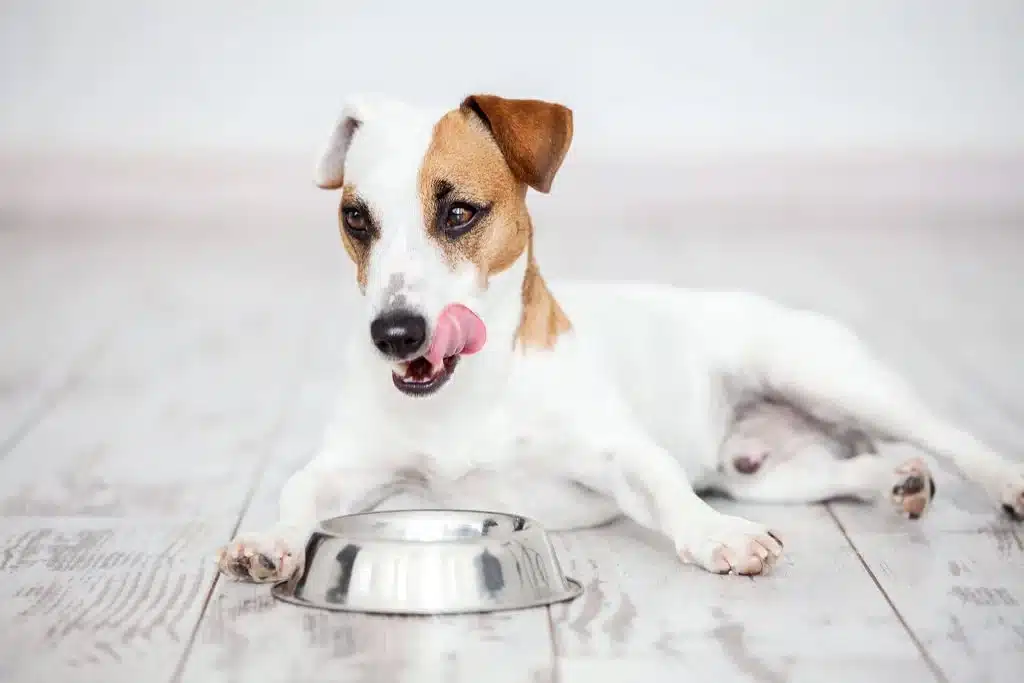
Feeding your dog can be a challenge if you’re not familiar with your furry friend’s individual needs. Get the best tips on how much and how often to feed your dog!
Maybe you have a dog that’s always hungry. Or a dog that picks at whatever you give it. Your dog’s diet is all about balance: get it right and you’ll have a happy, healthy pet. The vet and nutrition team at tails.com is here with a few tips to get you started.
Feeding your dog: the 3 options
Wet or dry? Fresh or frozen? There are so many options for dog food, and often a lot of mystery around what’s in it. No wonder many of us think hard about what our dogs eat. But many custom diets are complicated and time-consuming to get right, so it’s worth doing some research before you start:
1. Ready-made meals
Whether you serve kibble or wet food, it’s almost impossible to know exactly what’s in shop-bought options, even after studying the label.
2. Home-cooked food
Dogs need different nutrition from us, so cooking for your dog isn’t just a matter of making a little extra of the family dinner. Get your calculator ready: you’ll need to track the nutrients in every recipe and draw up a detailed meal plan that covers everything your dog needs.
3. Raw food
A fridge full of raw meat means a higher risk of food contamination. This way of feeding may sound simple, but if your dog is on a raw diet, food preparation can take over your kitchen and your life, just like home cooking.
How much should you feed your dog?
The amount you need to feed your dog varies from dog to dog and from food to food. Online dog calorie calculators are good for giving a rough idea. Factors that affect how much you need to feed your dog include:
- Breed
- Size
- Age
- Metabolism
- Activity level
- Hunger level
- How often they eat
The nutritional value of their food
Your dog’s metabolism slows down as it gets older, so you need to adjust the calories in its diet to stop its weight from creeping up over time. At tails.com we work all of this out for you, so your dog stays full of energy at every stage of life without getting heavy.
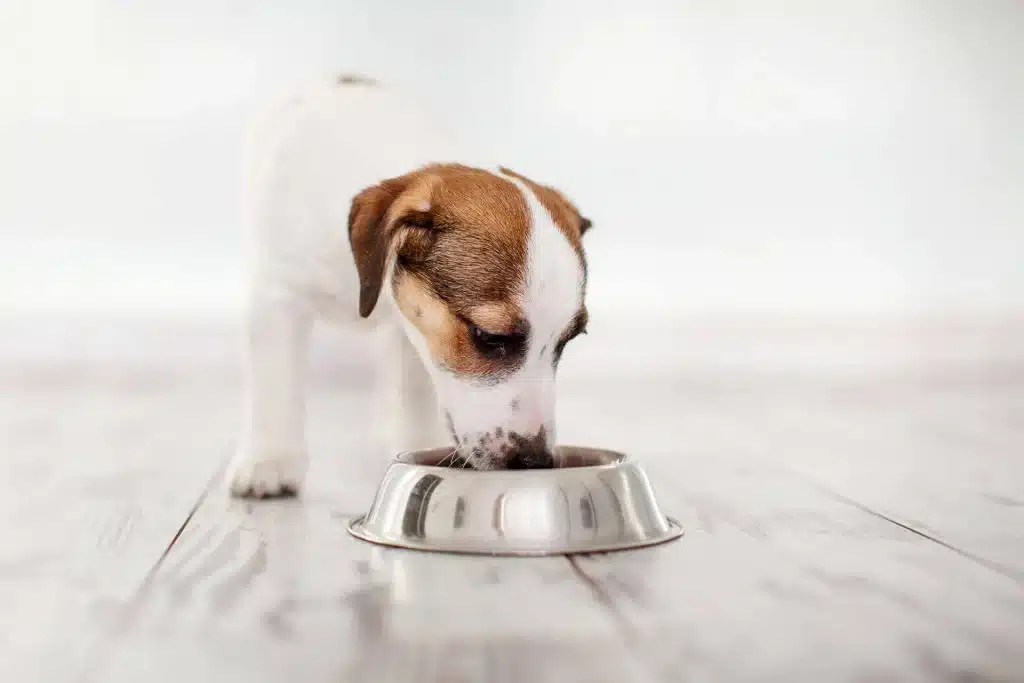
Feeding a dog that needs to lose weight
Feeding an overweight dog means cutting calories without leaving your dog hungry. Weight-management diets are full of slow-release carbohydrates to keep your dog feeling full. At tails.com we also include the amino acid compound L-carnitine to help your dog metabolise fat. Treats aren’t completely off the menu, but stick to low-calorie options.
Feeding a dog that needs to gain weight
Underweight dogs often have a small appetite. For some dogs, leaving food out all day can be a good option. It isn’t suitable for every dog, though, for example dogs that have:
- a poor appetite
- a deep chest and are prone to bloat
- a medical condition, such as diabetes, that can make free feeding harmful (check with your vet)
- digestive problems
The effects of overeating
We all love feeding and treating our dogs. But give them too much, or too many high-fat, high-calorie options, and you put them at risk of obesity-related problems:
- Joint problems, including arthritis
- Diabetes
- Heart problems and high blood pressure
- Breathing problems
- Increased risk of developing certain tumours
- Higher risk if your dog needs anaesthetic during surgery
- Lower quality of life
- Shorter life expectancy

Source: Tractive Blog