Keep your dog cool in summer: a guide to a dog-friendly summer
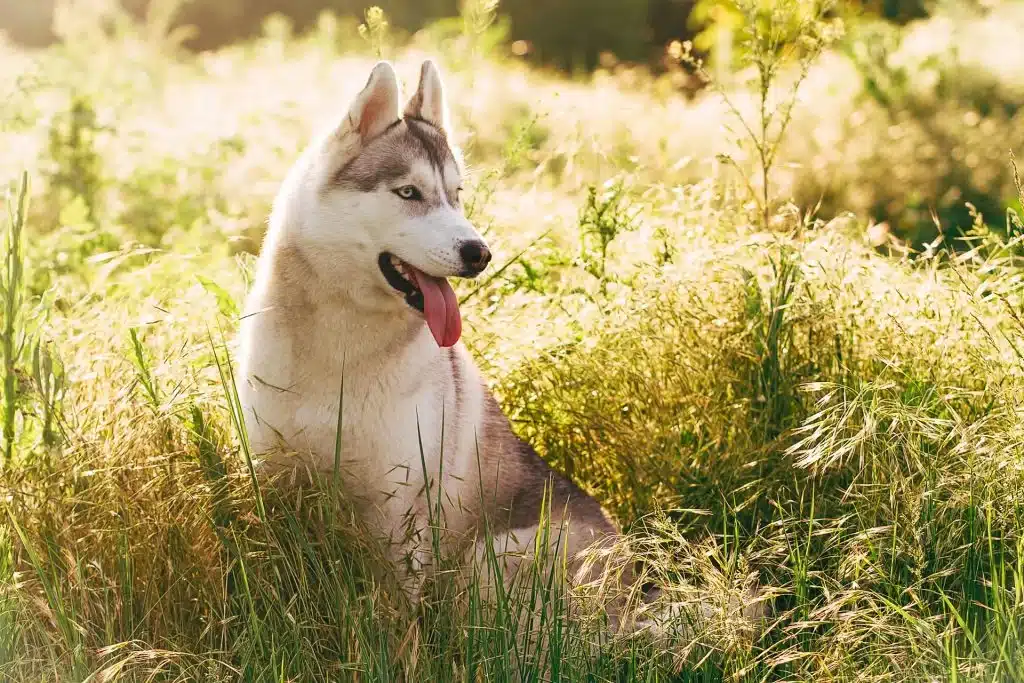
Summer is the perfect time to spend lots of time outdoors with our four-legged friend while enjoying the sun. Don’t forget to protect your dog from heatstroke. Follow these tips to keep your dog safe this summer!
It’s summer and we love it! We can spend lots of time outdoors with our dog while enjoying the warmth of the sun. But summer comes with hidden dangers and a rise in accidents and injuries. By following these simple guidelines, you can keep your dog safe all summer long.
Unlimited access to water
Dogs hardly sweat: they cool down mainly by panting, and a little through their paw pads. Panting makes them lose a lot of water, and the more water they lose, the thicker their blood becomes. That’s why it’s extremely important that your dog has unlimited access to plenty of water. On top of that, a dog’s water reserve is much smaller than ours, which is all the more reason to make sure your dog always has enough to drink. Without enough water, dogs suffer and become ill, especially when it’s hot.
A dog can go a long time without food, but it won’t survive without water.
To prevent dehydration, always take fresh water with you when you go out and offer it to your dog at least every thirty minutes.
The amount of water always depends on:
- Activity level
- Size
- Age
- The weather
In general, an average dog should drink between 55 and 110 ml per kg per day. Remember to add a little extra when it’s really hot!
A cooling mat is also a good idea in high temperatures.
Help your dog feel comfortable despite the heat, because a cooling dip isn’t always nearby or possible. Simply put the mat in a cool place and let your dog lie on it. The cooling mat gently cools and helps your pet regulate its body temperature. It’s also perfect on the go: it folds up compactly and is ideal for taking on trips. To clean it, just wipe it with a damp cloth and a mild cleaning product.
Note: store the cooling mat in a cool, dry place out of direct sunlight. Keep it away from sharp objects and check the surface before each use. Don’t use the product if the surface is damaged. The filling must not be eaten. In case of contact with the eyes, rinse immediately with water and consult a doctor. Keep out of reach of children.
More information about cooling mats? Click here.

Never leave your dog alone in the car!
In summer, a car left in the sun can turn into an oven in no time. Even with an outside temperature of just 24 °C, the inside of your car reaches about 31 °C in less than 10 minutes. Not to mention that after 30 minutes in the sun, the temperature inside your car can easily climb to 40 °C! Leaving the windows open and something to drink is nowhere near enough to protect your dog from heatstroke. Never leave your dog alone in the car, as this can turn into a worst-case scenario for your loyal companion!

Yes, dogs can get sunburnt…
Many people don’t know it, but our furry friends are just as prone to painful burns and potential skin cancer as we are. Some dogs are more sensitive to sunburn, while others have natural protection.
White or light-coloured pets usually have fair skin under their coat and a higher risk of sun damage (just like fair-haired people). Hairless breeds, or breeds with thin coats, are also at risk of sunburn. All dogs, whatever their coat thickness, have risk areas such as the nose, face and ears. The belly is also quite prone to sunburn because it’s covered with thin, light hair.
The best way to stop your dog from getting sunburnt is to provide shade. All you need is a large parasol on the beach, a tree in the park or a roof over your patio.
When should you walk your dog in summer?
In the hot season, the same temperature rules apply to dogs as to people. Don’t go out in the middle of the day when the sun is strongest! If your schedule leaves no choice, pick shady routes through parks and woods where there are plenty of chances to get out of the sun. A dog’s normal body temperature is between 38 and 39 °C.
A body temperature of 40 °C already means your dog has a fever. 41 °C or more is dangerous and can cause serious harm to health, including death.
If you do walk your dog in the heat, you might consider buying shoes for your pet. That may sound a little strange, and some people will certainly give you funny looks.

But shoes like these do stop the pads on your dog’s paws from getting burnt. You can buy them in pet shops or quickly and easily online. For more information about these dog shoes, click here.
Even police dogs in Switzerland wear these shoes because of the heat of the asphalt.

Fleas and ticks
It’s a fact that fleas and ticks are attracted to your dog. Your pet offers a warm, furry environment for fleas to enjoy. In summer, when we all spend more time outdoors, parasites come out too, hungry and looking for a cosy home. And your dog is the perfect host!
Always be alert to symptoms such as:
- Scratching at the ears or belly
- Loss of appetite
- Passing diarrhoea
and take your furry friend straight to the vet if these symptoms appear.
Life jackets for dogs
If you have a swimming pool or go swimming at the beach, a life jacket is a good and important investment.
Although dogs are good swimmers, they can drown just as easily as people.
Smaller breeds, older dogs and puppies in particular may not have the strength to get out of the water once they’ve fallen in.
Anything can happen in the water and it pays to be prepared. Life jackets for dogs come in many sizes, so make sure you choose one that fits your pet perfectly.
Especially if you’re taking your dog on holiday, camping or hiking in an unfamiliar area, consider investing in a pet tracking system. Some dogs are quite adventurous and you never know when yours might suddenly run off to explore. Save yourself a lot of trouble with a Tractive GPS for dogs. Curious about other benefits of a Tractive GPS Tracker for your dog?
Keep your dog cool in summer: watch out for the heat
The infographic below shows the most important things to know about dogs and heat, because it can be life-threatening!

How a dog behaves with heatstroke
These are the first symptoms of heatstroke in dogs to watch for:
- Agitated behaviour
- The dog looks for ways to cool down
- Heavy panting
- Tongue hanging down and neck stretched out
- Faster pulse
- Diarrhoea or vomiting
- Loss of coordination when walking
- Dry skin
- Blurred vision
- Rapid breathing
- High body temperature
First aid for heatstroke in dogs
If you notice your dog showing symptoms of heatstroke, take these first-aid measures immediately and call your vet:
- Bring your dog’s body temperature down by covering it with damp, cool (not ice-cold) towels
- If your dog loses consciousness, keep its tongue outside its mouth so it doesn’t risk choking
- Move your dog to a cool place, out of the sun
- Give your dog water, but in small amounts and not ice-cold
In general, don’t give your dog ice-cold water to drink, because its body has to warm it up first.

Source: Tractive Blog