Keep your pet healthy and safe this winter
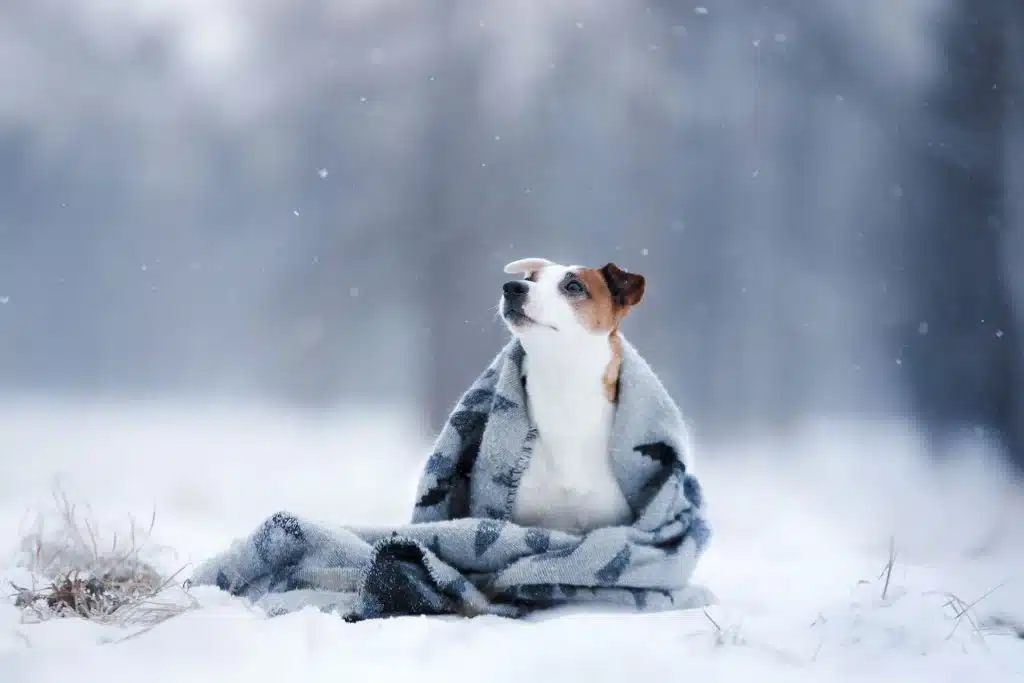
Can you tell whether your dog is coping with the cold? Discover the possible risks of cold weather for dogs and how best to care for your furry friend during the cold season!
Cold temperatures can cause frostbite in your dog
Small, short-haired and hairless dogs in particular get cold quickly. The same goes for breeds that originally come from southern regions. Once your dog starts shivering, it’s already too cold, and that’s something to avoid. Here’s an overview of when it’s too cold for your dog.
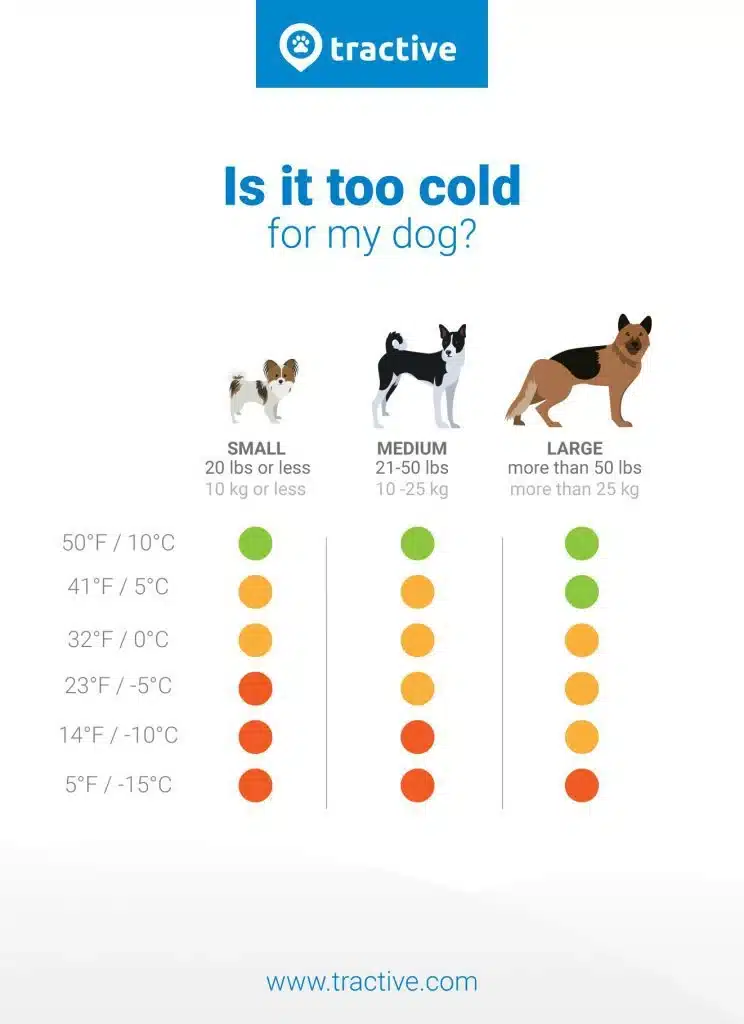
Dogs and cold weather: when is it too much?
Your dog…
- seems unwell, shivers and walks slowly
- has a hunched posture
- snuggles up against your leg or another source of warmth
If you leave your dog out in the cold for too long, it can catch a cold.
Symptoms of a cold:
- runny nose
- sneezing
- coughing
- fever
- watery eyes
- listlessness
If your dog isn’t dried properly and lies on a cold surface, it can develop pneumonia or a bladder infection. If your dog is exposed to low temperatures for a long time, it can also suffer from hypothermia. This can be local, for example frostbitten ears or paws. Hypothermia of the whole body can cause serious organ damage and can even be fatal. Signs of severe hypothermia include fixed and dilated pupils, difficulty breathing and even coma.
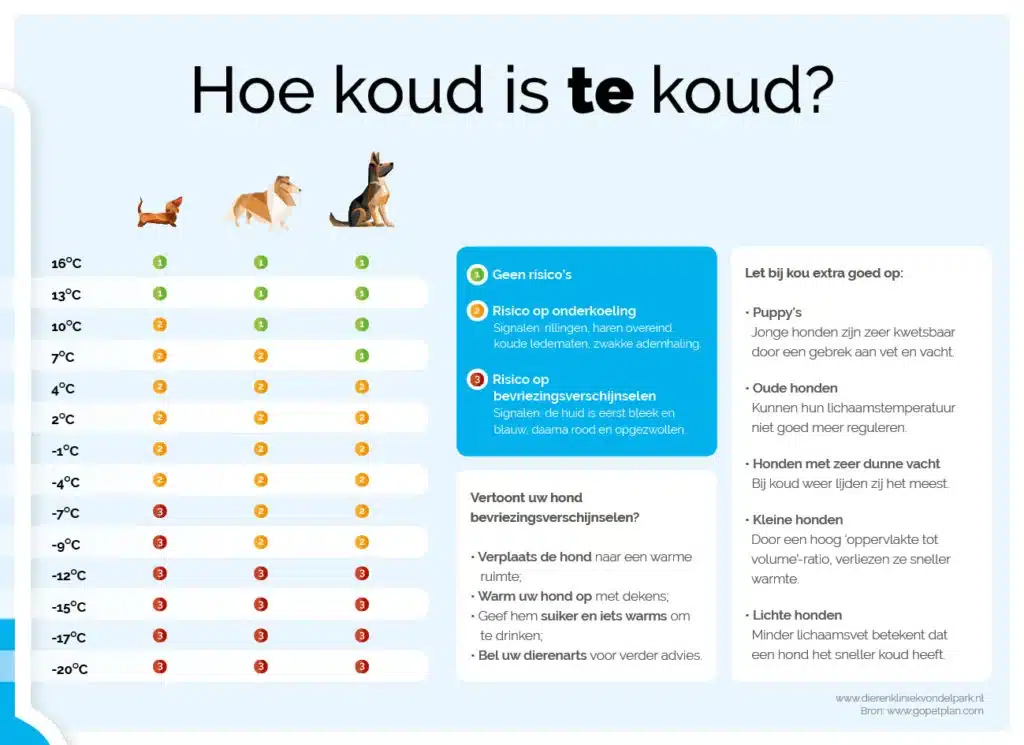
These dogs get cold very quickly
Breed and state of health play an important role in how susceptible a dog is to frostbite. Dogs with arthritis and joint problems are especially sensitive to cold temperatures.
In all dogs, the paws, nose, ears and belly remain unprotected and quite sensitive.
Dobermans, Boxers and Greyhounds aren’t real winter fans, and puppies shouldn’t be outside in winter because their bodies can’t keep them warm yet.
Take good care of the paws, for example by applying petroleum jelly before a short walk and cleaning off any dirt when you get home.
Preventing frostbite: precautions
Some dogs are genetically well equipped for winter. But exercise is important for every breed, even in the cold season. When the outside temperature drops sharply, keep walks very short and keep moving. On a walk in the snow, it’s important to have suitable winter gear for you and your dog, such as a weatherproof winter coat for your dog or suitable dog boots.
These protect against frostbite, dirt and cold and make time outdoors more pleasant. Before and after the walk you can also use a special paw-care product.
For some of us, cold winter weather is annoying and unpleasant; for others it’s a fun time full of snowboarding, skiing and other winter joys. Whatever your view of winter, one thing holds for all of us with pets: winter is a time when our beloved four-legged friends need a little extra attention. Here’s a list of tips to keep your pet healthy and safe this winter.
Short winter walks
Does your pet spend most of its time in the garden? You may want to keep it indoors more during the freezing months, especially if you live somewhere bitterly cold. Dogs left out in the cold for long periods can get frostbite on their paws. Dogs shouldn’t spend hours in the cold, and this applies all the more if your dog is very small, in which case take extra care. In winter, frequent short walks are better for your dog than a single long one.
Cosy bedding
As well as limiting your dog’s time outdoors on cold days, don’t let your dog sleep on a cold floor in winter. Choosing the right bedding is essential to keep your dog warm. Warm blankets create a cosy environment, and a warm bed keeps your dog off cold tiles or concrete. Put your dog’s bed in a warm spot away from draughts, cold tiles or bare floors.
Never leave your dog unattended in the car!
Just as cars can get dangerously hot in summer, freezing temperatures in winter are just as dangerous for your dog. The best thing to do is leave your dog at home when you go shopping.
No overfeeding!
Your dog may need an extra layer in winter, but make sure it comes from its coat and not from a layer of fat. Unless your dog lives outdoors in winter, it usually doesn’t need extra calories during the cold months. Cold temperatures can even make dogs lazier and lower their calorie needs. Keep an eye on your dog’s activity level and adjust its calories accordingly. Make sure your dog gets healthy meals for a healthy coat and plenty of energy through the cold winter months.
Did you know that cold weather is a serious threat to your dog’s health?
Water is a must!
Dogs can become dehydrated just as quickly in winter as in summer, so fresh water is vital for your pet’s health. Although many dogs eat snow, it’s no substitute for fresh water. Keep an eye on the water bowls and make sure your pet always has enough to drink. If your dog spends time out in the garden, make sure it has access to water (that doesn’t freeze).
Get the paws ready
Just as we get cracked feet in winter, dogs can suffer from cracked pads. Make sure the paws are ready for winter: good care is essential for healthy winter feet. Trim long-haired dogs to minimise ice balls, salt crystals and de-icing chemicals clinging to the fur and drying out the skin, especially on the feet. If your dog has very hairy feet, keep them trimmed all winter long.
Salt and antifreeze
Salt and other de-icing chemicals can be terribly harmful to our dogs. The salts used to melt ice and snow and stop them refreezing (usually calcium or sodium chloride) are quite harsh on delicate paws. Protect your pet’s paws and keep them warm on walks with dog boots. Also keep your dog out of the garage and off the driveway, where it might come across antifreeze or other harmful chemicals. Antifreeze tastes sweet and dogs will readily lick or drink it. It is extremely poisonous and just a small amount can be fatal.
Warm water
When you’re out walking, it’s almost impossible to avoid all the road salt. Keep a bowl of warm water just inside your door so you can wipe your dog’s paws (and your own boots) when you get home.
Indoor activities
It’s cold outside, so a game seems less appealing than it did four months ago. But making sure our beloved pets get enough exercise all year round is crucial for their health. Don’t let the cold weather be an excuse not to keep your dog active and healthy: bring the game indoors! Show your dog love and attention with indoor games and activities. Race up and down the stairs, play tug-of-war or practise fun new tricks. There are so many great ways to spend time with your dog.

Source: Tractive Blog – Article 1 – Article 2