5 dangers your dog must avoid in your garden
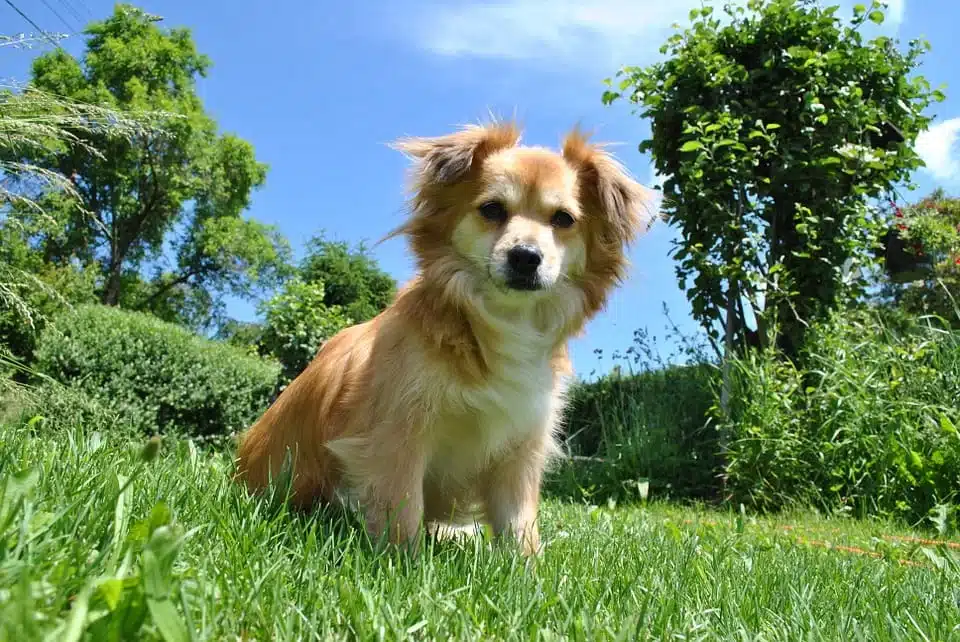
Many dog owners let their dogs roam freely in the garden…
Many dog owners let their dogs roam freely outside during the day and even at night. Dogs enjoy the space and, let’s be honest, life outdoors is much more exciting than indoors: smells, sounds, animals, insects or even just the wind. But do watch out for the five dangers your dog must avoid in your garden!
According to Breeding Business, these are some of the main dangers your dog needs protecting from in your garden, lawn or yard:
1. Small gaps in your fence
Every few weeks, every responsible dog owner should check all the fences around their home. Not just a visual check, but a physical one too: hold the fence and shake it up and down, left and right.
The last thing you want is for your dog to dig a hole day after day to reach the other side. Some dogs keep gnawing at a damaged fence until they literally break it and get out. Depending on your home, it only takes a few minutes to check, and you can prevent your dog from being run over or simply escaping and getting lost.
If your dog is an escape artist, it may find other ways to get out. For every unpredictable situation, you can keep your dog safe with a Tractive GPS tracker. That way you can always follow your dog’s position in real time, from the comfort of your smartphone. With a Tractive GPS device, gaps in the fence are no longer something to worry about!
2. Theft
It’s often forgotten, but thieves are everywhere and dogs left outside are a very easy target. A small bag of treats or raw meat, a friendly dog, and that’s it: your dog is gone. Some thieves ask for a ransom, while others simply sell the dog on within a day or two. Naturally, some breeds are more attractive to thieves than others: designer dogs, rare breeds or breeds that are easy to sell. You can use a Tractive GPS Tracker to locate your dog at any time. An automatic motion-sensor light that lights up your garden when someone approaches can also be very useful.
3. Dangerous and poisonous plants for dogs
Weeds, mushrooms and even flowers often grow in our gardens without us knowing quite how they got there. Because we didn’t put them there on purpose, we don’t really know whether they could be poisonous to our dogs. Poisoning doesn’t always lead to death; very often it shows up as one of the following:
- illness
- diarrhoea
- vomiting
- tiredness
Because these symptoms can have many causes, it’s often hard for the owner to work out what’s behind them.
The best way to deal with dangerous plants and flowers is to get rid of them completely. It’s best to do this by hand, to avoid using chemicals your dog could swallow. If you’re unsure about a plant, look it up in a comprehensive list of plants that are poisonous to dogs.
4. Standing water and mud
Instinctively, dogs have always preferred running water to standing water. That’s because running water is more likely to be clean and less likely to grow and spread bacteria and germs.
Standing water is a real source of dangerous infections. Standing water and mud aren’t as appealing as drinking water, but they can be if your dog is very thirsty. If you have a small pond of standing water in your garden, find a way to keep your dog away from it, for example by putting a grid or board over it.
If it’s too late and your dog has drunk from such a source, expect diarrhoea and vomiting over the following days, caused by bacteria or viruses.
5. Pesticides and cleaning products
Manufacturers of pesticides and garden products make a big effort to keep potentially toxic chemicals out of their main products. But as a rule of thumb, the more effective and powerful a product is, the greater the risk to your dog.
High effectiveness often comes from new, strong and highly active chemical compounds. A big wave of completely natural enzyme-based products has appeared, and these are the garden products to lean towards. Normally they won’t harm your dog or your lawn, yet they still get most jobs done successfully.
For these garden products in particular, it’s highly recommended to read as many reviews as possible and see how other customers’ dogs reacted.
Conclusion
Dangers for dogs in a garden have different causes:
- the dog (escaping),
- people (the products you use),
- nature (mushrooms, flowers, standing water),
- outside threats (theft).
All these very different risks require some effort on your part. Our furry friends are part of the family, so make sure you carry out a full check of your garden to remove every possible hazard. And last but not least, set a reminder to repeat it every few weeks!

Source: Tractive Blog